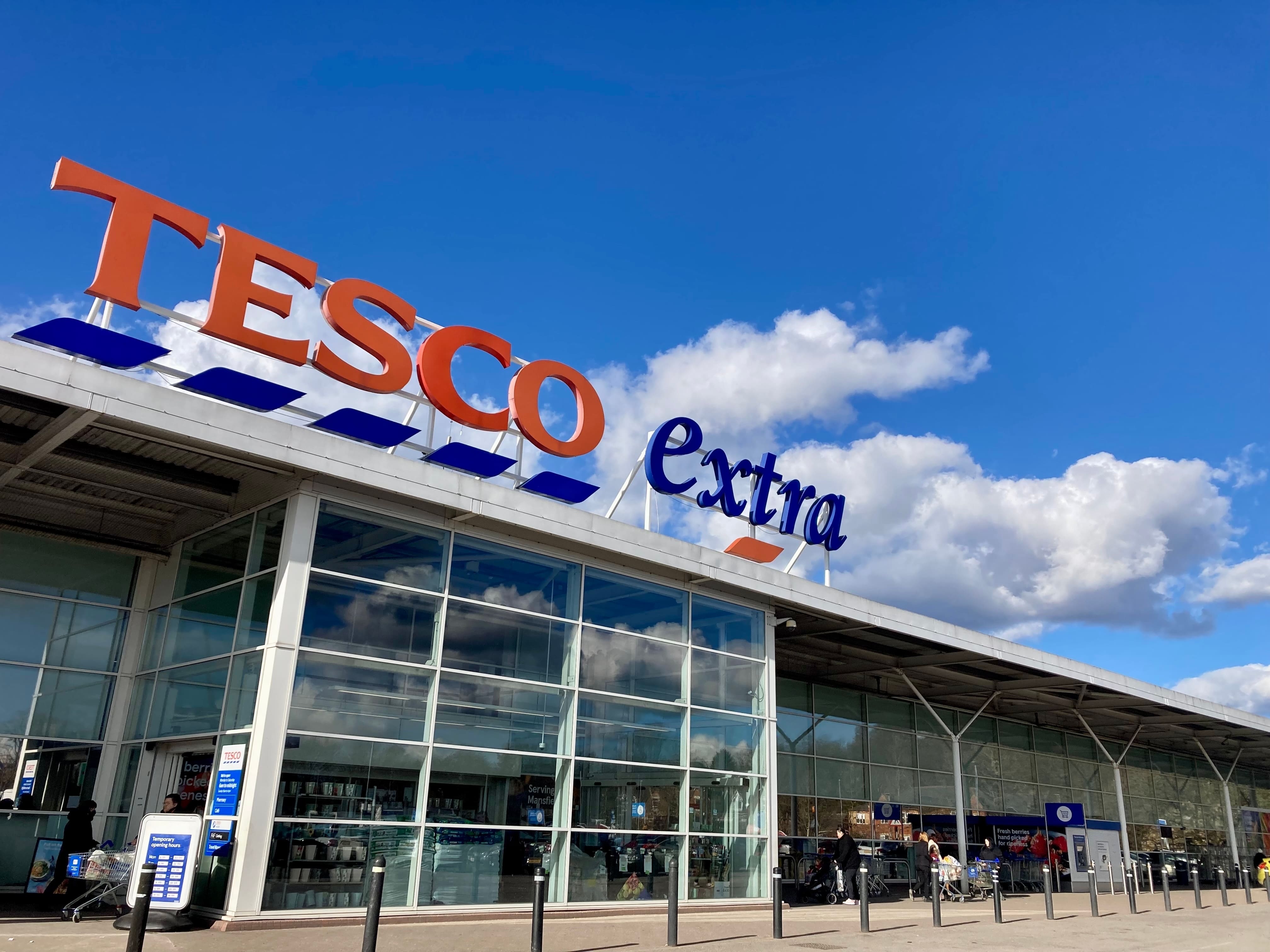
Tesco said profit grew faster than sales in every segment. In the UK and Ireland, profit rose 6.0% to £1,557m, which Tesco attributed to improved sales mix, savings from its Save to Invest programme and newer income streams, including Tesco Media and Whoosh. These more than offset investment in the customer offer and operating cost inflation. Save to Invest delivered £251m in the half, against a full-year target of £500m. "Better buying" was cited for profit at Booker and in Central Europe, but not as a driver in the UK and Ireland.
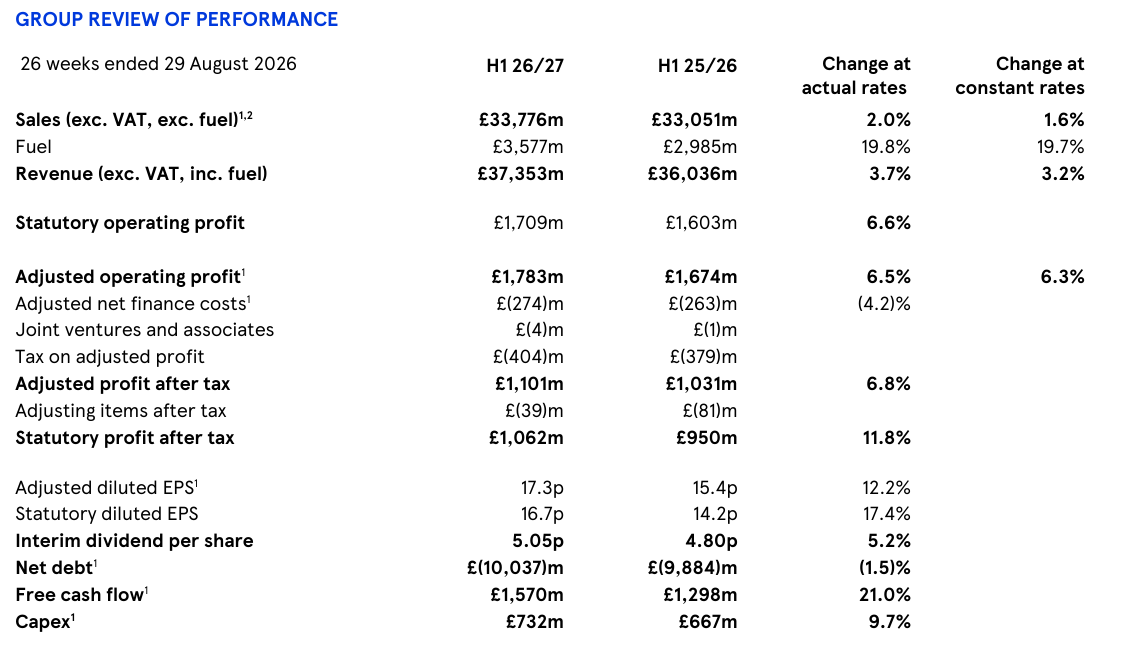
In the 26 weeks to 29 August 2026, Group sales (excluding VAT and fuel) rose 2.0% to £33.8bn, or 1.6% at constant exchange rates. UK sales grew 2.1% and UK like-for-like sales 1.5%, led by Food at 2.4%. Adjusted operating profit rose 6.3% at constant rates to £1.78bn, and Tesco raised its full-year guidance to £3.15bn–£3.30bn, from £3.0bn–£3.3bn set in April.
Tesco's softer home textiles were partly offset by strong demand for TVs and collectables linked to the World Cup and other summer sporting events. It did not publish separate figures for housewares, garden or small appliances. In Ireland, non-food like-for-like sales grew 1.5%, with a strong Home performance driven by volume. Tesco is also bringing its Clothing and Home offer together under a single F&F brand.
Marketplace and supplier partnerships
Tesco Marketplace now has more than 1,000 sellers, up over 80% year on year. Unique product numbers have risen by more than 50% since the start of the year, and average weekly traffic by around 32%. Tesco Media's active advertisers grew 17%, and Tesco ranked first in the Advantage supplier survey for the eleventh consecutive year.
Costs and investment
Tesco delivered £251m of savings through its Save to Invest programme in the half, against a full-year target of £500m. It also raised capital expenditure guidance to around £1.7bn, from £1.6bn. Fuel sales rose 19.7%, which Tesco attributed mainly to higher oil prices. A new distribution centre at London Gateway is expected to open in 2029.
Price and new routes to market
Tesco says it is the cheapest full-line grocer, with around 700 Aldi Price Match products and more than 10,000 Clubcard Prices. Tesco Marketplace now has over 1,000 sellers, up more than 80% year on year, with unique products up more than 50% since the start of the year and weekly traffic up around 32%. Tesco Media's active advertisers grew 17%.
Stock and cash
Inventories were £3.07bn, up 1.2% on a year earlier. Free cash flow was £1.57bn, including a net benefit of around £250m from payroll timing that Tesco says will unwind in the second half. It also attributed a £567m working capital inflow largely to trade seasonality and strong working capital management. The report does not disclose supplier payment terms.
What does this mean for suppliers?
- Growth is uneven across Tesco's ranges: Food grew 2.4% while UK Home and Clothing declined 0.6%.
- Event-led demand helped parts of Home, with sport-related TVs and collectables ahead while home textiles were softer.
- Marketplace and retail media are becoming a bigger part of Tesco's offer, which is relevant to brands weighing direct and third-party routes to market.
- Continued cost-saving delivery points to a retailer focused on efficiency and cost control.
- Tesco raised its full-year profit guidance to £3.15bn–£3.30bn and described consumer confidence as relatively resilient, but flagged geopolitical uncertainty.
Tesco's profit growth is coming from efficiency, mix and new income streams rather than strong volume growth. That points to a retailer looking for margin beyond the product itself, through retail media and marketplace, while continuing to invest in price.
Chief Executive Ken Murphy said: "None of this would be possible without the hard work and dedication of our colleagues and suppliers."
.png)